
LASIK and vision correction guide
Learn about the available treatment options. Every eye is different; the right option for you depends on a full eye assessment.
Learn about the available treatment options
Every eye is different. This guide explains how LASIK and other vision correction procedures work, who they may suit and what recovery looks like. The right option for you depends on a full eye assessment.
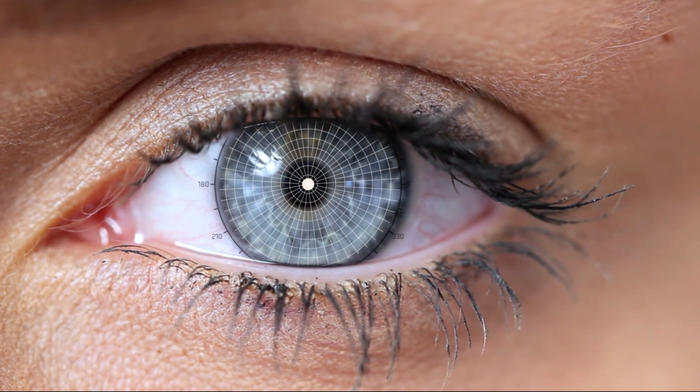
Corneal mapping shows the shape and thickness of your cornea. It is one of the measurements taken during your assessment.
Your first step is an eye assessment.
What the assessment covers
- Consultation: your vision needs and medical history.
- Vision testing: your prescription and its stability.
- Corneal mapping: the shape and thickness of your cornea.
- Eye health check: the front and back of the eye.
- Recommendation: choosing the most suitable technique.
Wear contact lenses? You may need to pause them before your assessment. Our team will advise you when you book.
LASIK, explained
A laser procedure that reshapes the cornea to treat nearsightedness, farsightedness and astigmatism. It may reduce your dependence on glasses or contact lenses. It doesn't prevent age-related change in close-up vision, so reading glasses may be needed later in life.
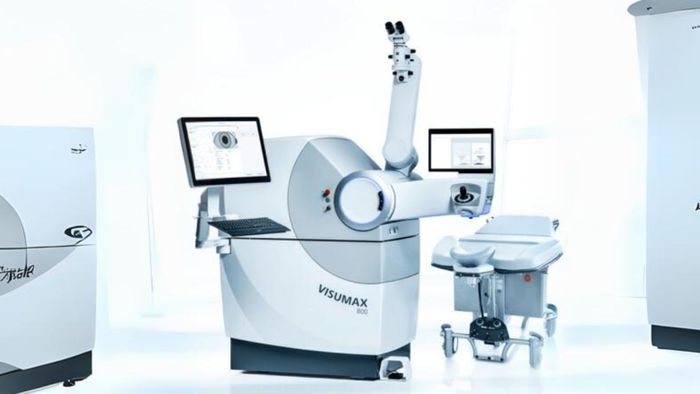
How Femto-LASIK works
- A laser creates a thin flap in the cornea.
- A second laser reshapes the tissue underneath.
- The flap is placed back and settles without stitches.
Who may be suitable? Suitability varies between patients.
You may be a candidate if you
- are 18 or older
- have had a stable prescription for at least a year
- have healthy corneas and good eye health
Treatment may be postponed during pregnancy or breastfeeding, or with certain eye conditions. Your ophthalmologist confirms suitability after examination.
On the day
The laser part usually takes a few minutes per eye.
What happens
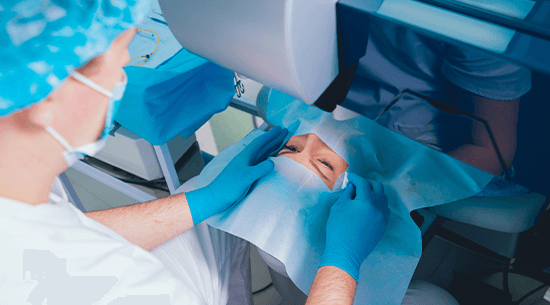
- Preparation: numbing eye drops for your comfort.
- Treatment: you focus on a light; you may feel some pressure.
- Going home: aftercare drops and instructions. Someone else drives you home.
Recovery
Many patients return to daily activities relatively quickly; recovery varies by procedure and patient.
What to expect
- Mild watering or light sensitivity at first
- Vision gradually becomes clearer over the first days
- Follow-up visits check your healing
Swimming, diving, contact sports and heavy exercise may need a longer pause: pool and sea water can irritate the eye while it heals. Your doctor will tell you when to resume each activity, including driving.
Things to consider
Your ophthalmologist will explain what applies to your eyes.
Good to know
- Dry eyes: often temporary, managed with drops.
- Night glare or halos: usually ease over time.
- Further correction: some people may still need glasses for some tasks.
- Results vary: treatment is advised only when clinically suitable.
Vision correction techniques






Ready when you are.
Pick a time that suits you and we'll call to confirm.